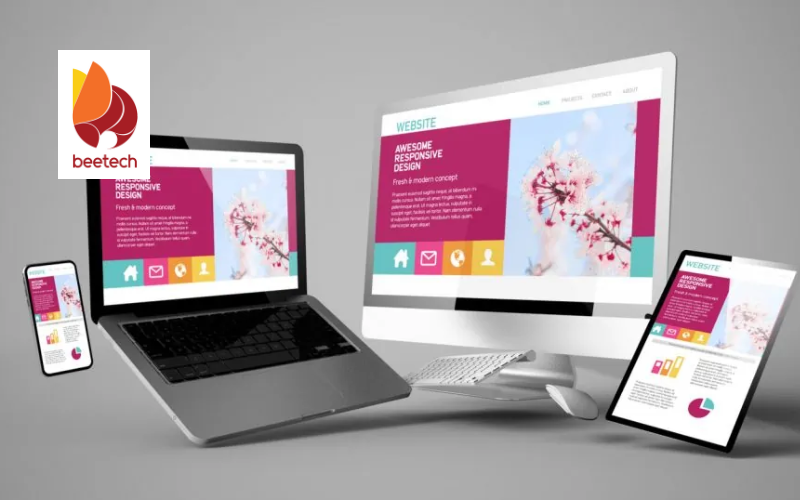
Web and app development: concepts, costs, and key considerations
In today's fast-paced digital world, businesses are increasingly relying on Web and App Development to reach a broader audience and enhance customer engagement. This blog will explore the essential concepts of the development process, break down the costs involved, and highlight the key considerations businesses need to take into account when embarking on a development project.

1. Key concepts in web and app development
Understanding the differences and the intersections between Web and App Development is essential for businesses planning their digital strategies. Both web development and app development are crucial components in building an effective online presence, but they serve different purposes and are approached differently. Here’s a breakdown of what both entail:
1.1 Web development
In Website and Application Development, web development is a foundational element. Below are the primary components of web development:
Front-end development (HTML, CSS, JavaScript)
Front-end development involves creating the visual elements of a website that users interact with directly. It typically consists of three main languages:
HTML (HyperText Markup Language) structures the content on the page.
CSS (Cascading Style Sheets) handles the layout, design, and appearance.
JavaScript adds interactivity, enabling features like dynamic content and animations.
Together, these technologies form the backbone of any website or web application, ensuring it looks appealing and functions smoothly.
Back-end development (Node.js, PHP, Python)
Back-end development refers to the server side of a web application. It deals with databases, server logic, and API integrations. Languages like Node.js, PHP, and Python are used to manage the operations that happen behind the scenes, such as handling user requests and serving content.
Node.js is known for handling large-scale applications with high traffic.
PHP is commonly used for content management systems like WordPress.
Python is widely favored for its simplicity and scalability, often used in machine learning and data-driven applications.
Full-stack development
Full-stack development combines both front-end and back-end development, allowing developers to handle all aspects of web development. A full-stack developer is capable of building both the user interface and the server-side logic, making them highly versatile in the Web and App Development landscape.

1.2 App development
App development is a crucial part of the modern digital ecosystem. Whether you’re aiming to create a mobile app or a progressive web app (PWA), understanding the key aspects of mobile development is essential.
Native apps vs. Cross-platform apps
Native apps are developed specifically for one platform, whether it's iOS or Android. These apps typically provide superior performance and a more seamless experience, as they are optimized for the specific operating system. However, native app development can be more time-consuming and expensive since you need separate teams for different platforms.
On the other hand, cross-platform apps are built using frameworks that allow one codebase to run across multiple platforms. Popular frameworks like React Native and Flutter have made it easier for developers to create apps that work on both iOS and Android, reducing development time and costs.
Tools for mobile app development (React Native, Flutter)
React Native allows developers to build mobile apps using JavaScript and React. It’s a powerful tool for creating native-like apps with a single codebase for both iOS and Android.
Flutter, developed by Google, is another cross-platform framework that allows developers to build apps with a native performance and look using Dart programming language.
App store submissionp process (iOS and Android)
Once your app is developed, the next step is submitting it to the app store. Each platform has its own set of rules and guidelines. The iOS App Store and Google Play Store have specific requirements related to design, functionality, and security that must be adhered to in order for your app to be approved for public download.
>>> Read more:
1.3 Importance of user experience (UX) and user interface (UI)
No matter whether you’re focusing on Web and App Development, user experience (UX) and user interface (UI) are key elements in both processes. UX involves how a user feels while interacting with a website or an app, while UI is about the design and layout of those interactions. For businesses, having a well-designed UI that enhances UX can make or break the success of their web or app product.

2. Understanding the costs of web and app development
Website and App Development projects come with varying costs depending on complexity, features, and the development process itself. Below, we explore the key factors that influence the cost of development.
Factors influencing development costs
The costs of web and app development can range from a few thousand dollars for basic websites to hundreds of thousands of dollars for complex applications. Factors that influence development costs include:
The scope of the project (simple website vs. advanced app with complex features)
The choice of technology stack
Development time and resources needed
Customization and integrations
Post-launch support and maintenance
Differences in cost between web and app development
Generally, app development tends to be more expensive than web development due to the need for specialized skills, particularly when developing native apps. Additionally, the app submission process, platform certification, and ongoing updates and maintenance can drive up the costs for mobile applications compared to web-based projects.
2.1 Web development costs
Simple vs. complex websites
The complexity of the website plays a major role in determining costs. Simple websites with static content, such as portfolios or blogs, are relatively inexpensive to build. Complex websites, such as e-commerce platforms or social networking sites, require more intricate design, development, and integrations, significantly increasing the cost.
The role of customization and integrations
Customization, such as unique design elements and personalized user features, will increase the cost of web development. Integrating third-party services or APIs, such as payment gateways or analytics tools, also adds to the cost due to the time and technical expertise required.
2.2 App development costs
Native app development vs. Hybrid/Cross-Platform apps
Developing a native app for iOS or Android typically involves higher costs since separate codebases are needed for each platform. On the other hand, cross-platform apps built with frameworks like React Native or Flutter can run on both iOS and Android with a single codebase, making them more affordable.
The impact of design, features, and functionality on costs
The design, complexity of features, and the overall functionality of the app can drive costs up. Custom designs and advanced features like real-time synchronization, push notifications, or third-party integrations require more time and development resources, raising the cost of the app.

3. Key considerations in web and app development
Before diving into Web and App Development, businesses need to consider several factors that can impact the success of the project. These considerations ensure that the development process aligns with business objectives and delivers value to users.
Key milestones during development
During the development process, several milestones must be reached, such as completing the design phase, building the app or website, and completing testing. Tracking these milestones ensures that the project stays on track and within budget.
Planning and research
Defining clear goals and objectives, understanding the target audience, and researching suitable platforms for your project are critical in the planning phase. A thorough research phase helps in making informed decisions throughout the development process.
Development process
Choosing between Agile development and waterfall methodology is an important decision. Agile development offers flexibility, allowing developers to make iterative improvements, while waterfall methodology follows a more linear path. Testing is also crucial in the development phase to ensure that bugs and errors are identified and fixed.
Post-launch considerations
After launch, it's essential to focus on maintenance, updates, and gathering user feedback to refine and improve the product. Monitoring performance with analytics tools can help identify areas for improvement and ensure the product continues to meet business goals.
Challenges and risks
Both web and app development projects come with their own set of challenges, including time delays, budget overruns, and issues related to user feedback. Identifying these risks early on can help mitigate potential problems and ensure the success of the project.
4. Conclusion
In conclusion, Web and App Development is a complex yet essential part of building a successful digital presence for any business. By understanding the key concepts, costs, and considerations involved in the development process, businesses can make more informed decisions and achieve better results.
For companies looking to outsource their app development needs, BeetechSoft is a trusted partner that offers top-tier outsourcing development solutions. BeetechSoft can help businesses navigate the complexities of any development project, delivering high-quality products that meet user needs and business goals.