
What is an open e-wallet? Challenges in its development
An open e-wallet allows users to make payments across various platforms, not limited to a single brand. It is convenient and flexible, but developing one comes with technical, regulatory and security challenges businesses must navigate.
1. What is an open e-wallet?
1.1. Definition of an open e-wallet
An open e-wallet is a type of digital wallet designed to provide users with the ability to make payments and manage money across multiple platforms and service providers, rather than being restricted to a single brand or limited ecosystem. Unlike traditional wallets that often operate only within a specific app or merchant network, open e-wallets offer far greater flexibility and convenience, allowing users to interact with a broad range of businesses and financial services all from one place.
For example, a closed wallet is tightly linked to one particular service provider and only works within that company’s ecosystem. A common case is a ride-hailing app that offers its own wallet exclusively for paying for rides within that app. This type of wallet cannot be used outside that specific service, limiting its usefulness.
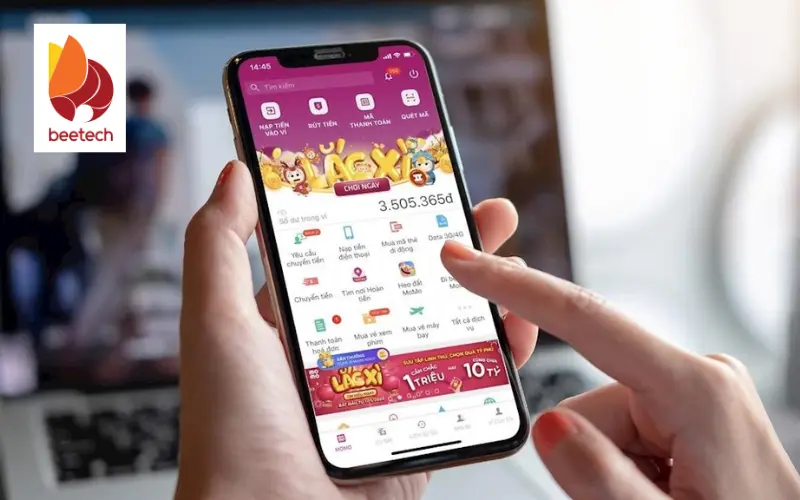
A semi-closed wallet expands on this by allowing users to make payments at certain partnered merchants or services beyond the wallet provider’s own platform. However, it still has restrictions and does not offer full banking features like cash withdrawals or transfers to external accounts.
In contrast, an open wallet breaks down these limitations by supporting a wide range of financial transactions and merchant payments. Users can link their wallets directly to bank accounts, enabling them to add or withdraw funds easily.
An open wallet also typically allow cash withdrawals at ATMs, and users can pay at numerous merchants both online and offline, regardless of whether those merchants have a direct relationship with the wallet provider. This versatility not only makes open e-wallets more user-friendly but also positions them as a powerful tool for digital financial inclusion and everyday money management.
1.2. Common features of open e-wallets
Open e-wallets usually offer a set of robust and user-friendly features designed to make digital transactions more accessible:
Bank integration: Users can link their bank accounts to fund their wallets or withdraw money easily.
Cash-in/cash-out options: These wallets often allow cash withdrawals through ATMs or banking partners.
Wide merchant network: Open e-wallets typically partner with a broad range of stores, services and platforms.
KYC and security: Identity verification (Know Your Customer) is required to comply with regulations and ensure user safety.
API access for businesses: Businesses can integrate the wallet into their payment systems via API, enabling smoother checkouts and a better user experience.
2. Benefits of using open e-wallet
2.1. Convenience and flexibility for users
One of the biggest advantages of an open e-wallet is the seamless experience they offer to users. Instead of switching between different payment apps for different services, users can rely on a single wallet for a wide range of transactions, such as shopping online and paying bills to booking transportation.
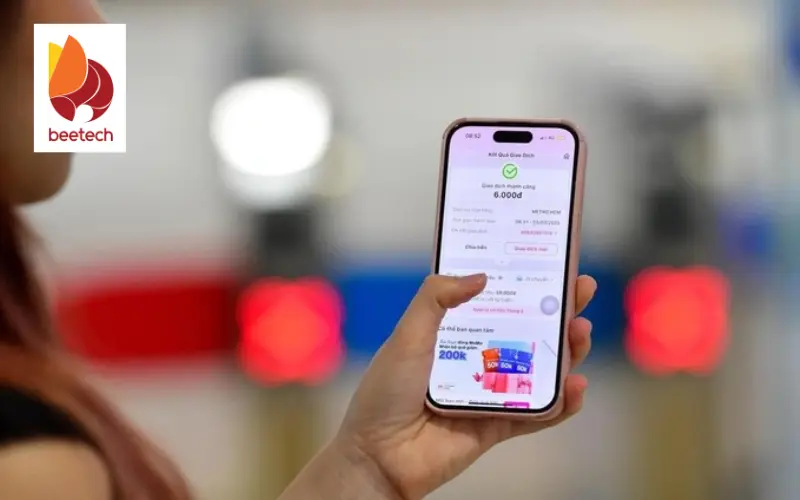
The ability to link directly to bank accounts, deposit or withdraw money and access multiple services through one platform makes open e-wallets highly practical, especially in fast-paced urban life.
2.2. Business efficiency and growth potential
For businesses, integrating with an open e-wallet can reduce friction in the payment process. Customers enjoy quicker, more reliable transactions, which can lead to increased satisfaction and conversion rates. On the backend, businesses no longer need to manage as much cash or manual payment processing, saving both time and operational costs.
Additionally, open e-wallet platforms often provide merchants with insights into consumer behavior. It can support more targeted marketing, loyalty programs, or product development.
2.3. Support for financial inclusion
In regions where banking access is still limited, open e-wallets provide a more accessible financial tool. Many users who do not have a traditional bank account can still use e-wallets to send and receive money, make purchases or access essential services. This opens up economic participation to a broader population, especially in rural areas or among low-income groups, helping to bridge the financial gap and empower more people to join the digital economy.
2.4. Enabling digital transformation at scale
At a national level, the rise of open e-wallets supports the shift toward a cashless, digital-first economy. As more individuals and businesses adopt digital payments, it helps governments reduce the costs and inefficiencies associated with cash transactions.
Public services, tax systems and social benefit programs can also be integrated into these digital platforms, allowing for more transparent, traceable and efficient administration. In countries like Vietnam, this movement is already transforming how people interact with money and public infrastructure.
3. Challenges in developing open e-wallets
3.1. Technical complexity and integration
Developing an open e-wallet is a highly complex technical challenge. Unlike closed wallets that work within a controlled ecosystem, open wallets must connect seamlessly with a variety of external systems, including banks, payment gateways, merchant POS systems and government platforms. This requires building robust APIs that can handle different data formats, transaction protocols and security standards.
Moreover, these integrations must work reliably 24/7 to support millions of transactions without delays or errors. Any downtime or transaction failure risks frustrating users and losing trust. Scalability is also crucial, as user numbers grow, the system must efficiently handle the increasing load without compromising speed or security.
For example, in Vietnam, where internet infrastructure varies greatly between urban and rural areas, the wallet must accommodate different network speeds and device capabilities, ensuring smooth performance for all users. Additionally, updating and maintaining these complex integrations require constant effort, testing and coordination between multiple partners.
3.2. Regulatory and compliance barriers
Financial regulations present a major hurdle for open e-wallet developers. Laws designed to prevent fraud, money laundering and terrorist financing require strict compliance. This includes thorough Know Your Customer (KYC) processes to verify user identities, ongoing monitoring of transactions for suspicious activity and secure data handling protocols.

>>>Read more: Which are the world's top outsourcing countries in the IT field?
In many countries, including Vietnam, the regulatory environment is evolving. Providers must keep pace with changing rules and often face bureaucratic delays in obtaining necessary licenses and approvals. For example, the State Bank of Vietnam requires e-wallet providers to have a minimum capital base, implement secure IT systems and regularly report on operations.
Non-compliance risks are severe; companies can face hefty fines, suspension of services or permanent shutdown. This creates high entry barriers and ongoing operational costs, making it harder for new or smaller players to compete.
3.3. Data security and user trust
Security concerns are paramount for open e-wallets because they deal with sensitive financial and personal information. Users expect their money and data to be protected against hacking, identity theft and fraud.
To build this trust, wallet providers must implement multiple layers of security, such as end-to-end encryption, multi-factor authentication, tokenization and fraud detection algorithms. They also need rapid incident response plans to handle any breaches or suspicious activities.
However, even with the best technology, the threat landscape is constantly evolving. Cybercriminals continuously develop new attack methods, forcing companies to invest heavily in security R&D and staff training. Any security breach can cause irreversible damage to a brand’s reputation and lead to user attrition, which is especially harmful in the competitive e-wallet market.
3.4. Market competition and ecosystem fragmentation
The e-wallet space is highly competitive, with many providers vying for users and merchant partnerships. While the open wallet model aims to create broad interoperability, the reality is often fragmented.
Some merchants or financial institutions may choose to partner exclusively with certain wallets, limiting users’ options. This fragmentation can confuse consumers and reduce the convenience that open wallets promise.

Additionally, acquiring new users is challenging because many already use one or more wallets and may hesitate to switch unless the new wallet offers clear advantages, such as better rewards, wider acceptance or superior user experience.
Moreover, marketing and customer education require significant investment to build awareness and trust. Smaller players often struggle to scale fast enough to compete with established giants who have deep pockets and existing customer bases.
4. Conclusion
Open e-wallet represent the future of digital payments, offering unmatched convenience, flexibility and financial inclusion. However, developing and scaling these platforms comes with significant challenges, from complex technical integration and strict regulations to security concerns and fierce market competition. Overcoming these obstacles requires innovation, collaboration and a deep understanding of both technology and user needs.
As the digital economy continues to grow, open e-wallets will play a key role in shaping how people and businesses interact with money. Staying informed about these trends is essential for anyone interested in the evolving landscape of fintech and digital payments.
For the latest insights, solutions, and updates in open e-wallet technology and digital finance, follow BeetechSoft - your trusted partner in building the future of fintech.