
Important considerations in custom software development for the logistics industry
In the fast-paced and constantly evolving logistics industry, custom software development for logistics has become a vital tool for businesses to stay competitive. In this blog, we will explore the key considerations and components involved in the development of custom software for the logistics industry.
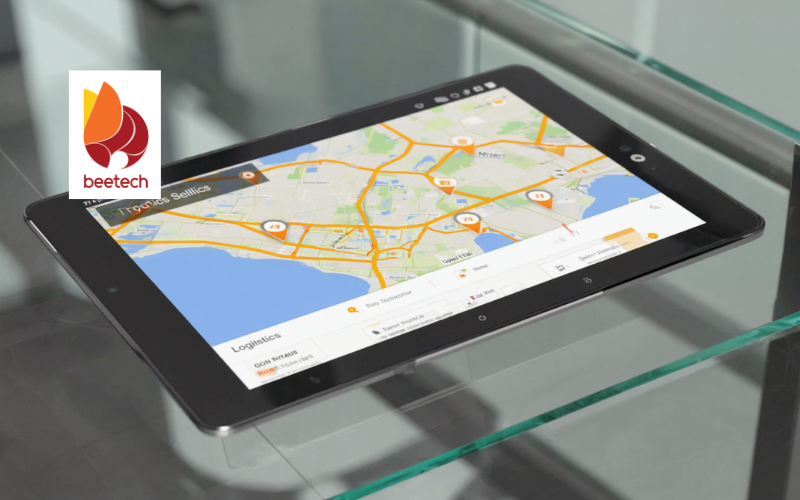
1. Key challenges in the logistics industry
The logistics industry faces several challenges that custom software development for logistics can address. These challenges, if not effectively managed, can impact efficiency, customer satisfaction, and overall profitability.
Complex supply chains:
Managing complex supply chains is one of the most significant challenges in logistics. The modern supply chain is often spread across multiple regions, channels, and partners, making coordination and optimization difficult. Custom software can help by providing a centralized platform to track and manage goods, ensuring real-time visibility across the supply chain.
By implementing custom solutions, logistics companies can better manage inventory, monitor supplier performance, and optimize deliveries, which leads to reduced operational costs and improved efficiency.
Real-time data tracking:
In today’s logistics world, businesses and customers alike expect real-time tracking of shipments and inventory. Without accurate and timely data, it’s challenging to address delays or manage expectations. Custom software development for logistics solutions provides an integrated system that offers real-time visibility into shipments, tracking inventory levels, and optimizing operations.
With real-time data, businesses can track their assets, ensure that inventory levels are accurate, and make data-driven decisions to improve operational efficiency.
Route optimization:
Route optimization is another critical challenge that logistics companies face. With fluctuating fuel prices and the increasing demand for fast delivery, the need for efficient route planning has never been greater. Custom software solutions can provide advanced algorithms to optimize delivery routes, reducing fuel costs, improving delivery times, and increasing customer satisfaction.
By leveraging data on traffic conditions, weather, and delivery schedules, logistics companies can reduce inefficiencies and offer faster service to customers, thereby increasing their competitiveness.
Regulatory compliance:
The logistics industry must adhere to various regulations, from safety standards to environmental concerns. These regulations can vary by region, making compliance complicated. Custom software can ensure that all operations are in line with the necessary regulations by automating compliance tracking, generating reports, and providing alerts for necessary updates.
By integrating compliance features into the software, logistics companies can minimize risks associated with non-compliance and avoid costly penalties.
2. What makes custom software development essential for logistics?
Custom software is critical in addressing the specific challenges faced by the logistics industry. Here’s why custom software development for logistics industry is so essential:
2.1 Tailored solutions
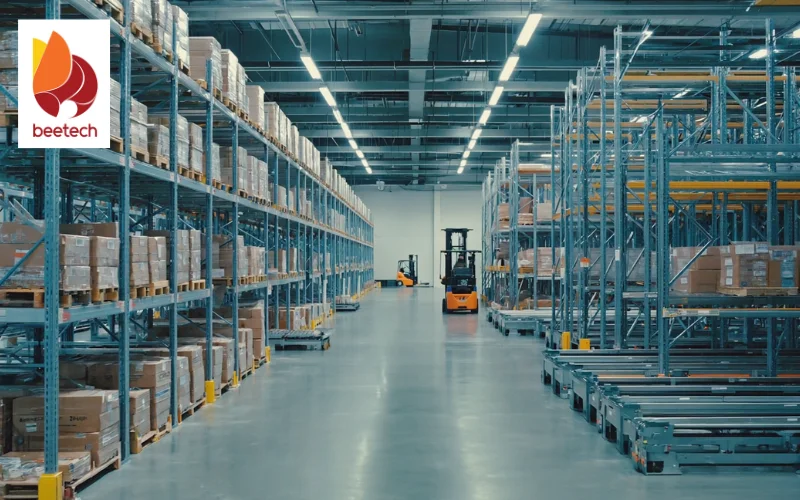
Unlike off-the-shelf software, custom solutions are designed specifically to meet the needs of logistics businesses. They address unique operational challenges such as tracking shipments, managing warehouse inventory, and optimizing routes. Custom software can be tailored to align with business goals, providing a better user experience, higher efficiency, and greater control over processes.
2.2 Integration with existing systems
Logistics businesses often have legacy systems or other software platforms in place. Custom software can integrate seamlessly with these existing systems, ensuring continuity and minimizing disruptions. This integration allows for smoother data transfer between different departments, reducing human error and improving overall efficiency.
2.3 Scalability
As logistics companies grow, their software needs to evolve as well. Custom software provides scalability, ensuring that systems can handle an increase in volume, more complex logistics, and an expanding customer base. Scalable solutions allow businesses to adapt to market demands and remain competitive without needing to overhaul their entire software infrastructure.
3. Important considerations in custom software development for logistics
Developing custom software solutions for logistics requires careful planning and attention to several important factors. Here are the key considerations when building software for the logistics industry:
3.1. User experience (UX) and interface design
The user interface of logistics software must be intuitive for various users, including warehouse staff, drivers, and operational managers. The easier it is for employees to interact with the system, the more efficient the operations will be.
Importance of mobile-friendly design for warehouse management and field personnel
As many logistics operations happen in the field or warehouses, it is essential to design the software to be mobile-friendly. This ensures that warehouse staff and drivers can access necessary information on the go, improving responsiveness and reducing delays.
Easy-to-navigate dashboards for tracking, reporting, and analytics
Custom software must provide user-friendly dashboards that allow real-time tracking, reporting, and analytics. These dashboards should be intuitive and tailored to specific user needs, enabling quick decision-making based on accurate data.
>>> Read more: Top IT outsourcing companies in Hanoi trusted by businesses
3.2. Real-time data and GPS tracking integration
Real-time data is essential for managing logistics efficiently. With custom software, logistics companies can offer live tracking capabilities for shipments, vehicles, and inventory, providing full transparency for both the business and the customer.
Integrating GPS for route optimization, vehicle tracking, and real-time communication
Integrating GPS functionality into the software allows for optimized routes, better vehicle tracking, and real-time communication with drivers. This integration improves efficiency by allowing businesses to monitor shipments and vehicles in real time.

Managing and utilizing large volumes of real-time data effectively
Handling vast amounts of real-time data can be challenging. Custom software can integrate powerful data management tools that process and store real-time data efficiently, enabling better decision-making and improved operational efficiency.
3.3. Scalability and flexibility
As logistics businesses expand, their software must be able to handle increased shipments, customer demands, and new logistics partners. Custom software provides the flexibility and scalability necessary to support business growth without compromising performance.
Flexibility to accommodate changes in logistics processes and technological advancements
Custom software is designed to adapt to changing business processes and advancements in technology. As logistics companies evolve and adopt new tools and techniques, the software can be modified to incorporate these innovations.
Adaptation for handling seasonal surges in demand (e.g., holidays, peak seasons)
Custom software can be adapted to handle seasonal surges, ensuring that logistics operations run smoothly even during peak periods. By optimizing workflows and increasing capacity, logistics companies can manage higher volumes of goods without sacrificing service quality.
3.4. Data security and compliance
With the increasing threat of cyberattacks, data security is critical in custom software development for logistics. Robust encryption, secure communication protocols, and multi-factor authentication should be implemented to protect sensitive data.
Complying with industry standards and regulations like GDPR, HIPAA, and CTPAT
The logistics industry is subject to several regulatory requirements. Custom software can help ensure that companies remain compliant with regulations like GDPR (General Data Protection Regulation), HIPAA (Health Insurance Portability and Accountability Act), and CTPAT (Customs-Trade Partnership Against Terrorism), reducing the risk of legal issues.
Ensuring secure communication between all logistics partners and stakeholders
Secure communication channels are essential to maintain confidentiality and prevent data breaches. Custom software provides secure methods for communication between logistics partners, stakeholders, and clients, ensuring that sensitive information remains protected.

3.5. Integration with third-party systems
In today’s interconnected world, logistics companies often work with third-party providers, warehouses, and suppliers. Custom software must integrate smoothly with external systems to ensure accurate data exchange, operational efficiency, and improved service delivery.
Using APIs to integrate with external shipping carriers, inventory systems, and CRM tools
Custom software can use APIs to connect to external systems like shipping carriers, inventory management tools, and customer relationship management (CRM) platforms. This integration enables seamless data flow between all parties involved, improving service quality and response times.
Compatibility with ERP (Enterprise Resource Planning) systems for financial and supply chain management
Custom software must also integrate with ERP systems to provide a complete view of financial and supply chain operations. This ensures that logistics companies can manage both operational and financial aspects of the business from a single platform.
3.6. Cost and time efficiency
One of the most important considerations in custom software development for logistics is ensuring that the project stays within budget and is delivered on time. Proper project management, clear requirements, and regular updates can help avoid delays and unexpected costs.
Prioritizing features and functionalities that provide the best ROI
Custom software should prioritize features that provide the most value to the business. By focusing on functionalities that streamline operations, reduce costs, and improve efficiency, businesses can achieve a higher return on investment (ROI).
Streamlining business processes and reducing operational costs through automation
Automation is one of the most effective ways to streamline logistics operations and reduce costs. Custom software can automate tasks like inventory management, route planning, and order tracking, which increases efficiency and reduces the need for manual labor.
4. Conclusion
Custom software development for logistics is essential for improving operational efficiency, customer service, and profitability in the logistics industry. By focusing on key areas such as user experience, integration with third-party systems, scalability, security, and cost-efficiency, logistics companies can create tailored solutions that meet their unique needs and challenges. As the logistics industry continues to evolve, investing in custom software solutions will allow businesses to stay competitive, adapt to market changes, and meet customer expectations.
For businesses looking to develop custom solutions for their logistics operations, BeetechSoft offers expert web and mobile application development services that can help create secure, scalable, and innovative platforms tailored to your business needs.