Important notes when developing a closed e-wallet solution
In today’s fast-paced digital economy, e-wallets are reshaping how consumers interact with businesses, offering convenience, speed, and security in everyday transactions. Among the different types of digital wallets, a closed e-wallet solution stands out for companies aiming to create a fully controlled, branded payment ecosystem for their customers. Popular among retailers, hospitality chains, and service providers, closed e-wallets not only streamline transactions but also strengthen customer loyalty and boost profitability. However, developing an effective closed e-wallet solution involves much more than just building an app it requires careful attention to compliance, security, user experience, and scalability. This article highlights the essential considerations businesses must keep in mind when creating a successful closed e-wallet system.

1. What is a closed e-wallet solution?
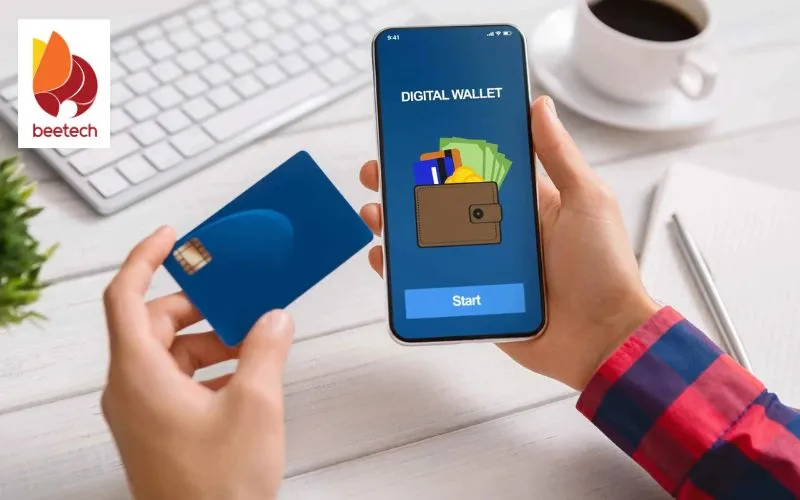
A closed e-wallet solution is a specialized digital wallet system developed exclusively for use within a single organization’s ecosystem. Unlike semi-closed or open wallets that allow users to make payments across a variety of merchants or transfer money externally, a closed e-wallet restricts usage to the issuing business’s own services, products, or platforms.
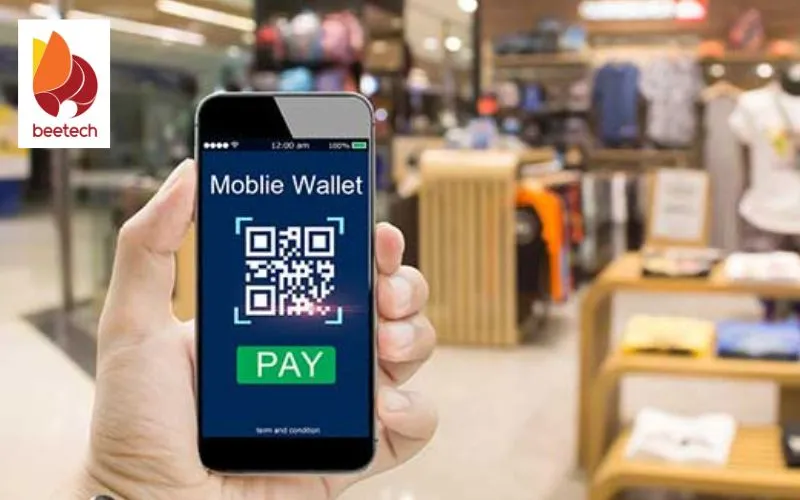
In practice, customers load funds into the e-wallet through online top-ups, credit cards, or direct banking options. They can then spend that digital balance solely within the company’s network whether it’s buying products, accessing services, or participating in loyalty programs. Popular examples include Starbucks' app, where customers pre-load funds for coffee purchases, and Walmart Pay, offering an integrated in-store payment experience.
The appeal of a closed e-wallet solution lies in the full control it offers businesses over the customer journey, payments infrastructure, and promotional activities. Companies can design the entire financial experience to align with brand values, optimize operational efficiencies, and gather crucial customer behavior data all while avoiding dependence on third-party payment providers.
As businesses seek to enhance customer engagement and build stronger loyalty ecosystems, the closed e-wallet model has gained increasing popularity across retail, hospitality, food delivery, and even education sectors. Understanding the potential of a closed e-wallet solution is essential for businesses aiming to stay competitive in the rapidly evolving digital economy.

2. Why businesses choose closed e-wallet solutions
The decision to implement a closed e-wallet solution is a strategic move for many forward-thinking organizations. Beyond the simple function of facilitating transactions, closed wallets offer a wide range of operational, financial, and customer engagement advantages.
2.1. Full ownership of the payment ecosystem
When businesses develop a closed e-wallet solution, they assume complete control over the entire payment lifecycle. They dictate how transactions are processed, how user data is handled, and how promotions are structured without relying on third-party payment processors or external financial institutions. This independence reduces operational risks and empowers companies to tailor every aspect of the user experience.
2.2. Strengthening customer loyalty and retention
A closed e-wallet acts as a powerful customer retention tool. By offering exclusive rewards, cashback incentives, loyalty points, or special deals to users who pay with the wallet, businesses can significantly boost customer stickiness. Users are more likely to return and spend when they have funds pre-loaded or loyalty rewards waiting for them, creating a self-reinforcing loyalty loop.
2.2. Reduced transaction and processing fees
Unlike traditional payment methods that involve third-party processing fees (such as credit card transaction costs), a closed e-wallet solution can dramatically lower payment processing expenses. By owning the wallet infrastructure, businesses retain a larger portion of each transaction's value, improving profit margins.
2.3. Access to rich customer data
Another critical advantage is the access to granular customer behavior insights. A closed e-wallet solution enables businesses to track spending patterns, transaction history, product preferences, and engagement levels. This data can be leveraged to personalize marketing campaigns, refine product offerings, optimize inventory, and predict future consumer behavior with high accuracy.
2.4. Brand differentiation and innovation
Customizing the wallet’s interface, reward structure, and promotional campaigns allows companies to create a unique brand experience. A branded closed e-wallet becomes more than a payment tool it becomes part of the customer’s lifestyle and brand relationship, fostering deeper emotional connections and enhancing overall brand equity.
In summary, a well-implemented closed e-wallet solution delivers far-reaching business value beyond mere payments, supporting growth, loyalty, profitability, and innovation simultaneously.
>>>Read more:
3. Important considerations when developing a closed e-wallet solution
While the benefits of building a closed e-wallet solution are substantial, its successful development requires a thoughtful, strategic approach. Several critical considerations must be addressed early in the project lifecycle to ensure smooth implementation and long-term success.
3.1. Regulatory compliance and licensing
Compliance is non-negotiable in financial services. Depending on the country or region, businesses may need to obtain licenses to operate an e-wallet or comply with regulations like Know Your Customer (KYC), Anti-Money Laundering (AML), Payment Card Industry Data Security Standards (PCI DSS), and General Data Protection Regulation (GDPR). Early engagement with legal advisors and regulatory bodies ensures that your closed e-wallet solution is fully compliant from day one.
3.2. Robust security measures
Trust is a cornerstone of any financial application. Your closed e-wallet must implement best-in-class security features, including:
End-to-end encryption of user data and transactions
Biometric authentication (fingerprint, face recognition)
Multi-factor authentication (MFA)
Fraud detection systems powered by AI
Secure APIs and backend architecture Without visible and reliable security, user adoption will suffer, and your brand reputation may be at risk.
3.3. Superior user experience (UX/UI) design
Customers expect intuitive, frictionless payment experiences. Your closed e-wallet solution should offer:
Fast and easy registration and onboarding
Simple top-up options linked to major banks or cards
Clear balance displays and transaction histories
Instant payment confirmations
Smooth integration with loyalty programs and promotions Investing in top-notch UI/UX design improves adoption rates, encourages higher transaction volumes, and boosts user satisfaction.
3.4. Scalability and future-proof architecture
Your closed e-wallet solution should be built with scalability in mind, allowing it to handle growing user numbers, increasing transaction volumes, and new feature rollouts without major overhauls. A microservices architecture, cloud-native infrastructure, and modular development approach can ensure that your wallet evolves with your business needs.
3.5. Seamless business integration
Integration with existing business systems like CRM, ERP, point-of-sale (POS) systems, and inventory management is crucial. This ensures real-time updates on loyalty rewards, inventory status, order histories, and customer profiles. A closed e-wallet solution that is tightly interwoven with broader business operations can unlock synergies and operational efficiencies.
3.6. Strategic marketing and user education
Even the best-built wallet needs active promotion. A strong marketing strategy should:
Communicate the wallet’s benefits clearly to potential users
Offer launch incentives (such as free credits or discounts)
Educate users through simple tutorials, FAQs, and in-app guidance Continuous engagement strategies like limited-time offers, gamification, and loyalty bonuses will keep users returning to the wallet long after the initial download.
Incorporating all of these considerations increases the likelihood that your closed e-wallet solution will achieve high user adoption, deliver strong business ROI, and stand out in an increasingly competitive digital economy.
4. Conclusion
Building a robust closed e-wallet solution presents a unique opportunity for businesses to deepen customer engagement, enhance brand loyalty, and optimize payment processes. However, the development process demands careful planning, from ensuring regulatory compliance to designing a seamless user experience and securing sensitive data. By understanding the critical factors and potential challenges involved, companies can build a closed e-wallet that not only meets user expectations but also drives long-term business growth. With the right strategy and execution, a closed e-wallet solution can become a powerful asset in today's increasingly cashless world.