
Understanding electric vehicle technology in modern life
As the world shifts toward sustainability and innovation, electric vehicle technology has emerged as a driving force in the transformation of modern transportation. From city streets to highways, electric vehicles (EVs) are becoming increasingly visible offering cleaner, quieter, and more efficient alternatives to traditional gas-powered cars. But beyond their sleek designs and silent motors lies a complex system of advanced technologies that power this revolution. This article explores the fundamentals of electric vehicle technology, its impact on everyday life, and the innovations shaping the future of mobility.
1. What is electric vehicle technology?
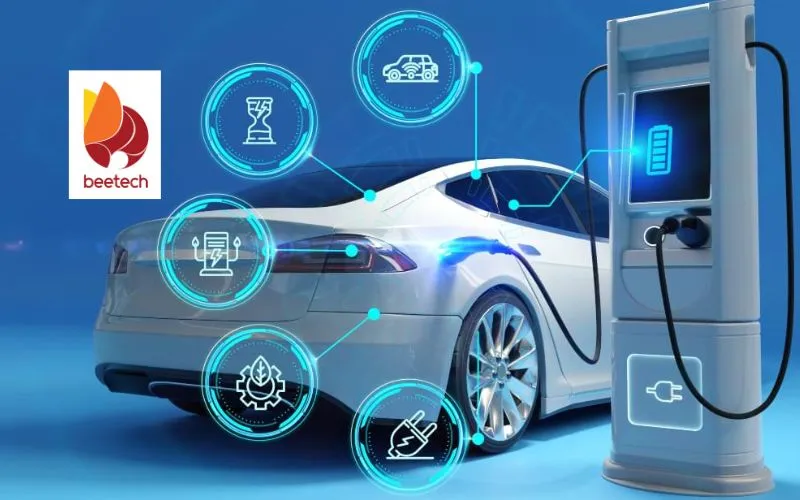
Electric vehicle technology refers to the integrated system of components, software, and infrastructure that enables vehicles to run on electricity rather than traditional fossil fuels. This technology encompasses a broad spectrum of innovations including electric motors, high-capacity rechargeable batteries, power control systems, onboard software, and charging mechanisms. These elements work together to provide a clean, efficient, and sustainable mode of transportation.
At the heart of electric vehicle technology is the battery system typically lithium-ion which stores electrical energy used to power the vehicle’s motor. Unlike internal combustion engine (ICE) vehicles that rely on burning gasoline or diesel, electric vehicles (EVs) use electric motors that convert electrical energy into mechanical motion. This shift in propulsion leads to a drastically different driving experience one that is quieter, smoother, and often more responsive due to the instant torque provided by electric motors.
There are several types of electric vehicles utilizing different applications of this technology:
Battery electric vehicles (BEVs): Fully powered by electricity, with no internal combustion engine.
Plug-in hybrid electric vehicles (PHEVs): Combine an electric motor with a traditional engine, allowing the vehicle to run on battery power or fuel.
Hybrid electric vehicles (HEVs): Primarily powered by an internal combustion engine but supported by an electric motor for improved fuel efficiency.
As governments push for reduced emissions and energy efficiency, and as consumer awareness grows, electric vehicle technology is no longer niche it’s becoming central to the future of global mobility.
2. Key innovations in electric vehicle technology
Over the past decade, electric vehicle technology has evolved rapidly, driven by a combination of environmental urgency, consumer demand, and technological breakthroughs. These innovations are transforming electric vehicles from niche alternatives into mainstream solutions across the globe.
One of the most critical areas of advancement is battery technology. Improvements in lithium-ion chemistry have significantly increased energy density, allowing EVs to travel farther on a single charge while reducing weight and size. More recently, solid-state batteries have entered the spotlight. These promise even greater energy storage, faster charging, enhanced safety, and longer life cycles paving the way for the next generation of electric vehicles.
In addition to batteries, electric vehicle technology has seen innovations in power electronics and motor efficiency. Sophisticated inverters and control systems now optimize power flow between the battery and the motor, improving performance and energy efficiency. Some systems even enable regenerative braking, capturing kinetic energy during deceleration and feeding it back into the battery thus extending driving range.
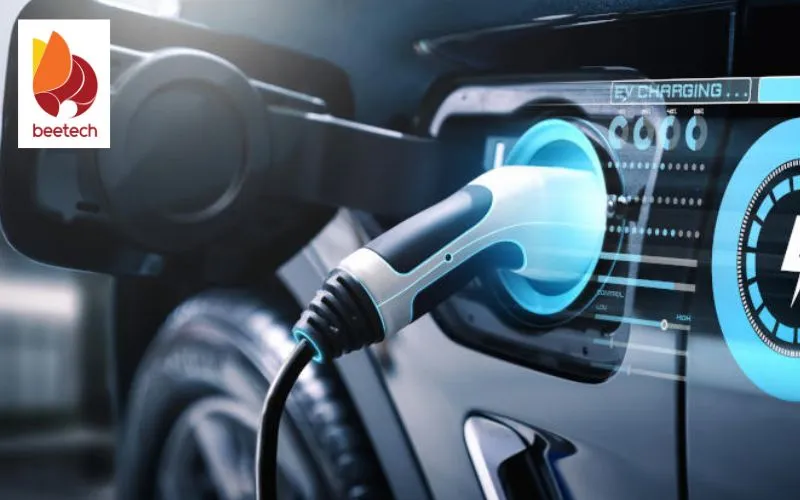
Charging technology is also advancing. Ultra-fast DC charging stations can deliver an 80% charge in under 30 minutes, while wireless charging pads are being piloted to eliminate cords entirely. Moreover, vehicle-to-grid (V2G) systems are allowing electric vehicles to act as mobile energy storage units that can return electricity to the grid during peak demand.
Software plays a pivotal role in modern EVs. Vehicles can now receive over-the-air updates, much like smartphones, allowing manufacturers to upgrade systems, improve performance, or patch security vulnerabilities remotely. Navigation systems integrated with real-time charging station data help drivers plan efficient routes and reduce range anxiety.
These innovations collectively illustrate how electric vehicle technology is becoming smarter, faster, safer, and more sustainable fueling the global transition toward clean transportation.
3. Benefits of electric vehicle technology in daily life
The growing adoption of electric vehicle technology brings with it a wide array of tangible benefits for individuals, communities, and the environment. These advantages are not confined to long-term ecological gains they are reshaping daily routines, reducing costs, and redefining what it means to drive.
Perhaps the most widely recognized benefit is environmental sustainability. Electric vehicles produce zero tailpipe emissions, contributing significantly to the reduction of air pollutants such as nitrogen oxides (NOx) and particulate matter (PM). This cleaner air leads to better health outcomes, especially in urban areas where traffic congestion and pollution are prevalent.
From a financial perspective, electric vehicle technology offers impressive cost savings over time. While the upfront cost of EVs can be higher than that of conventional vehicles, the lower cost of electricity compared to gasoline, combined with reduced maintenance needs (no oil changes, fewer moving parts), makes EVs more economical in the long run. Many governments further sweeten the deal through tax credits, rebates, and incentives like reduced registration fees or access to carpool lanes.
For drivers, the experience itself is markedly improved. Electric vehicles are quiet, delivering a calm and serene ride. The instant torque of electric motors provides quick acceleration, making for a responsive and enjoyable driving experience. With regenerative braking, drivers also benefit from improved control and energy conservation.
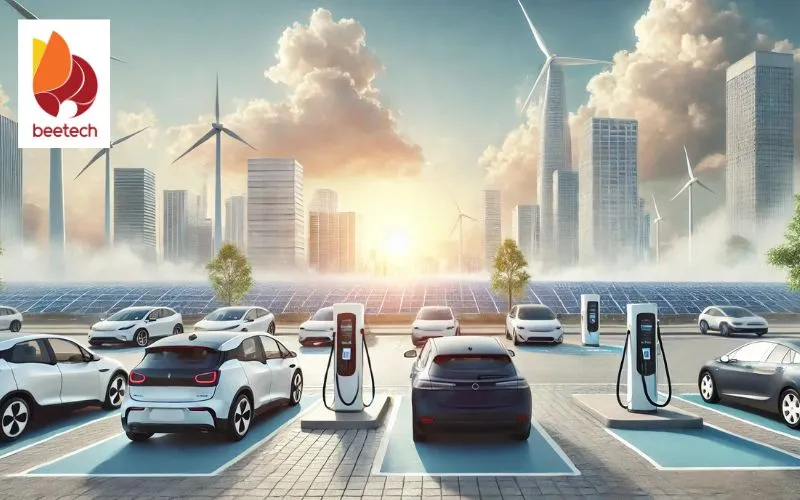
Daily integration of electric vehicle technology is increasingly supported by a growing network of public and private charging stations. From office parking lots and shopping malls to residential neighborhoods, convenient access to charging is removing one of the biggest barriers to adoption.
Furthermore, EVs often come equipped with digital interfaces that allow drivers to track energy use, find nearby chargers, and schedule charging sessions during off-peak electricity hours. In the age of smartphones and smart homes, electric vehicles fit seamlessly into digital lifestyles.
Ultimately, electric vehicle technology is transforming the relationship between people and their vehicles from a mechanical utility to an intelligent, eco-friendly extension of modern living.
4. Challenges and limitations of electric vehicle technology
Despite its many advantages and rapid advancement, electric vehicle technology is not without its challenges. For widespread adoption to be truly sustainable and equitable, these limitations must be recognized and addressed through innovation, policy, and infrastructure development.
One of the most significant hurdles remains the upfront cost of EVs. Although battery prices are falling, the cost of manufacturing electric vehicles especially those with long-range capabilities remains higher than that of traditional vehicles. This price gap, while narrowing, continues to deter budget-conscious consumers, particularly in developing markets.
Charging infrastructure is another major barrier. While urban areas in developed countries are seeing rapid growth in charging networks, rural regions and many parts of the world still lack reliable public charging options. This inconsistency contributes to range anxiety the fear of running out of power without access to a charger which continues to be a psychological barrier for many potential buyers.
Battery production also presents environmental and ethical concerns. The mining of lithium, cobalt, and other rare earth elements used in EV batteries can result in significant ecological damage and has been linked to labor exploitation in certain countries. Proper recycling methods and the development of alternative battery chemistries are urgently needed to address this aspect of electric vehicle technology.
Additionally, the long charging times especially for vehicles without fast-charging capability pose an inconvenience compared to the few minutes it takes to refuel a gasoline car. Even with home charging solutions, not all households have access to dedicated parking spots or the electrical infrastructure required to install chargers.
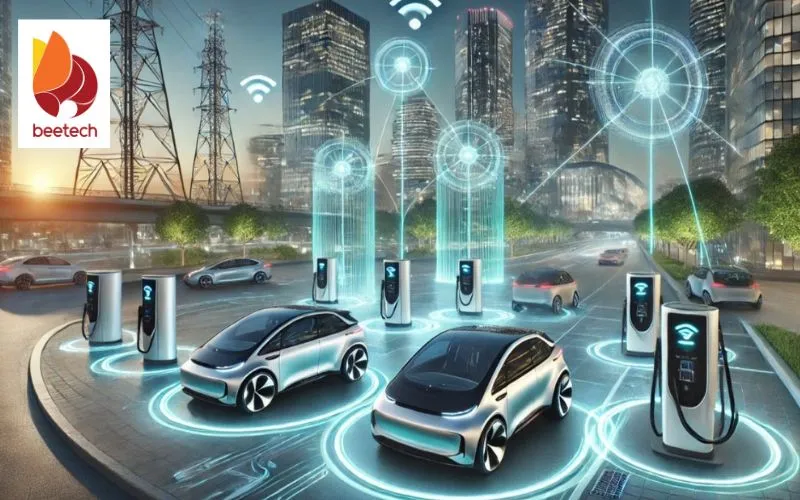
Grid capacity is another concern. As electric vehicle adoption grows, national electricity grids must be upgraded to accommodate the increased load, especially during peak charging periods. Smart grid solutions, energy storage, and vehicle-to-grid technology offer promising solutions but require large-scale investment and coordination.
Finally, many consumers remain unfamiliar with how electric vehicle technology works, leading to skepticism or resistance. Education, test-driving opportunities, and broader public awareness campaigns will be essential in overcoming misinformation and building trust.
In conclusion, while electric vehicle technology holds tremendous promise, its success hinges on addressing these technological, infrastructural, and societal challenges head-on ensuring that its benefits are both universal and sustainable.
5. Conclusion
The rise of electric vehicle technology is redefining how we move, commute, and interact with transportation systems. As advancements in battery efficiency, smart charging, and connectivity continue to accelerate, EVs are poised to become the cornerstone of sustainable living. Understanding how this technology works and how it integrates into our daily lives is essential for consumers, policymakers, and industries alike. Embracing electric vehicle technology is not just a step toward environmental responsibility; it’s a leap into the future of intelligent, eco-conscious mobility.