What does software development as a services include?
Software development as a services (SDaaS) has become an essential solution for businesses looking to develop high-quality software without managing an in-house team. In this blog, we will dive deep into what SDaaS includes and how it can benefit businesses of all sizes.

1. What is software development as a service (SDaaS)?
Software development as a services (SDaaS) refers to outsourcing the entire software development process to a third-party provider. These service providers manage everything, from initial consultation and requirements gathering to ongoing support after deployment. The goal of SDaaS is to give businesses the ability to access high-quality development resources without needing to maintain a large internal team.
Unlike traditional in-house software development, where a company builds and manages its own team of developers, SDaaS allows businesses to focus on their core operations while experts handle software design, development, testing, and maintenance. It’s also distinct from project-based outsourcing, where a fixed scope and deadline are determined upfront. SDaaS is typically more flexible and adaptable, allowing for ongoing, long-term collaboration.
Several industries benefit from SDaaS, including finance, healthcare, e-commerce, and education. Startups and established businesses alike can take advantage of SDaaS to develop custom software solutions that are scalable, secure, and efficient.
2. What does software development as a services include?
Software development as a service covers a broad range of offerings that can be tailored to meet the specific needs of a business. The flexibility of SDaaS makes it suitable for companies across various industries, from building a new mobile app to modernizing outdated systems. Below are the key components of SDaaS.
2.1. Custom software development
One of the primary components of software development as a services is custom software development. This includes the creation of tailored solutions that meet a business’s unique requirements. Whether a company needs a customer relationship management (CRM) system, an enterprise resource planning (ERP) solution, or a specialized software application, SDaaS providers design and develop software specifically for the client’s needs.
Custom software development allows businesses to have full control over the functionalities of their software, ensuring it aligns perfectly with their operations and objectives. A dedicated team works closely with the client to understand their pain points and business goals, resulting in a more efficient and scalable solution.
2.2. Product development
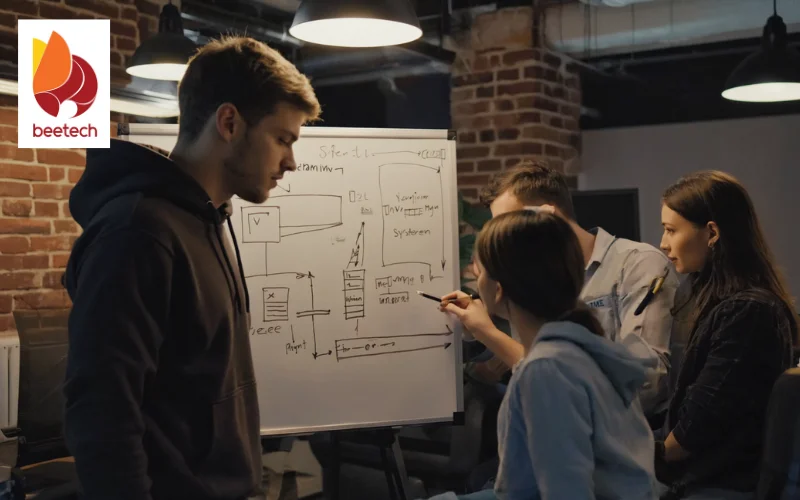
Product development is another crucial service within SDaaS. This refers to the end-to-end creation of new software products, from ideation to deployment. Whether it's a SaaS product, a mobile application, or a web-based solution, SDaaS providers help companies design and develop new products that can be taken to market.
The product development process includes everything from brainstorming and wireframing to coding, testing, and deployment. The development teams ensure that the product is user-friendly, reliable, and scalable. Moreover, SDaaS providers offer ongoing support and iteration to adapt to user feedback or market changes.
2.3. Legacy system modernization
As technology advances, older systems can become inefficient, costly, and insecure. SDaaS also includes legacy system modernization, where outdated software systems are upgraded or replaced to keep pace with modern technology. This often involves replatforming applications to newer platforms, refactoring code, or redesigning outdated architectures to improve performance and scalability.
For businesses relying on legacy systems, this service is essential for avoiding downtime and maintaining operational efficiency. SDaaS providers help companies modernize their infrastructure without disrupting their day-to-day operations.
2.4. Mobile app development
Mobile app development is an integral part of SDaaS. With the rise of smartphones, businesses need to ensure their services are accessible to users on mobile devices. SDaaS providers offer custom mobile app development for both iOS and Android platforms, ensuring a seamless experience across devices.
Developing a mobile app involves design, development, testing, and optimization for various screen sizes, performance, and battery usage. Cross-platform development is also a popular service, where a single codebase is used to deploy apps on both iOS and Android, reducing costs and time.
2.5. Web development
Web development is another crucial service included in software development as a services. This service covers the creation of responsive, functional websites and web applications. Whether it's an eCommerce platform, a content management system (CMS), or a custom-built web application, SDaaS providers use modern frameworks and technologies to create websites that perform well on all devices.
Web development typically involves front-end (user interface) and back-end (server-side logic) development, ensuring that the application is fast, secure, and user-friendly. This service can also include integrating third-party APIs, creating databases, and ensuring that the website is optimized for search engines (SEO).

>>> Read more: Global business outsourcing - A blooming trend in 2025
2.6. Cloud-based development
Cloud-based development is becoming increasingly popular due to its scalability and cost-effectiveness. SDaaS includes building scalable, secure cloud applications hosted on platforms like Amazon Web Services (AWS), Microsoft Azure, or Google Cloud. Cloud-based solutions offer businesses the flexibility to scale their applications as needed without the burden of maintaining physical infrastructure.
Cloud applications can include anything from SaaS products to internal tools, customer-facing platforms, and more. By hosting applications in the cloud, businesses can ensure high availability, security, and ease of maintenance, allowing their teams to focus on innovation.
2.7. Quality assurance and testing
Ensuring that software is bug-free and functions as expected is critical. Quality assurance (QA) and testing are vital services provided under SDaaS. These services include manual and automated testing to identify issues before deployment. QA covers performance, functionality, security, and usability testing to ensure that the product meets the highest standards.
A thorough testing phase can uncover bugs, usability issues, and performance bottlenecks that might otherwise affect the user experience. Software development as a services providers also use continuous integration (CI) and continuous deployment (CD) practices to make testing an ongoing part of the development process.
2.8. Maintenance and support
Maintenance and support are crucial components of SDaaS, as software requires ongoing updates and fixes. Once the software is deployed, SDaaS providers offer continuous support to ensure that it runs smoothly. This includes troubleshooting, security patches, feature updates, and performance optimizations.
Regular maintenance helps businesses stay ahead of the competition by ensuring their software remains up-to-date and secure. Whether it’s fixing bugs or adding new features based on user feedback, SDaaS providers work closely with businesses to ensure their software evolves with their needs.
3. The SDaaS process: How it works
The process of software development as a services typically follows a structured approach to ensure that all requirements are met and the final product aligns with the client's goals. Here’s an overview of how it works:
Initial consultation and discovery
The process starts with an initial consultation to understand the client’s business goals and technical needs. During this phase, SDaaS providers gather information about the project scope, target audience, and desired features.
Requirements gathering
Once the business goals are clear, the next step is requirements gathering. This phase involves defining the project scope, key features, and timelines. Clear and detailed requirements help ensure that both the client and the development team are aligned.
Design and prototyping
In the design phase, SDaaS providers create wireframes and prototypes to visualize how the software will look and function. This phase focuses on the user experience (UX) and user interface (UI) design, ensuring that the final product will be intuitive and user-friendly.
Development phase
Once the design is approved, the development phase begins. This is where coding and implementation take place. Development teams use agile methodologies to build the software incrementally, ensuring that progress is made in manageable steps.

Testing and quality assurance
As development progresses, testing is performed continuously to identify bugs and ensure that the software meets all functional and performance requirements. QA teams test the software across different environments, browsers, and devices to ensure consistency.
Deployment
After the software is thoroughly tested, it’s time for deployment. This involves moving the software to production, setting up cloud hosting, and ensuring that the necessary infrastructure is in place.
Ongoing support and maintenance
Even after deployment, SDaaS providers offer ongoing support and maintenance to address any issues, perform regular updates, and enhance the software as needed.
4. Technologies and tools used in SDaaS
Software development as a services relies on a variety of technologies and tools that help streamline development, improve collaboration, and ensure the final product meets high standards. Here’s a closer look at the essential technologies and tools commonly used in SDaaS projects.
4.1. Programming languages
Common programming languages in SDaaS include Python, Java, JavaScript, and Ruby. These languages are used for various development tasks, from backend programming to frontend development.
4.2. Development frameworks
Frameworks like Angular, React, Django, and Spring are widely used in SDaaS to streamline development, improve code quality, and enhance performance.
4.3. Databases
Databases like SQL and NoSQL are critical in SDaaS, with SQL being used for structured data and NoSQL for more flexible, large-scale data storage.
4.4. Cloud platforms
Cloud platforms like AWS, Azure, and Google Cloud are essential for SDaaS, providing scalable and secure environments for hosting applications and managing resources.
4.5. Version control and collaboration tools
Tools like Git, Jira, and Slack facilitate collaboration, code versioning, and project management, ensuring smooth communication between clients and development teams.
5. Conclusion
Software development as a services (SDaaS) is a comprehensive solution for businesses looking to develop custom software without the complexities of managing an internal team. From custom software development to ongoing maintenance, SDaaS provides businesses with the tools they need to innovate and scale effectively.
For companies looking for a reliable outsourcing partner, BeetechSoft offers a range of SDaaS solutions that can help you build, modernize, and maintain your software. Explore how BeetechSoft can support your business and take your software development to the next level.