What is mobile e-wallet integration? Why should you integrate it?
As digital payments become the norm, businesses are under increasing pressure to offer fast, secure, and user-friendly transaction options. One of the most effective ways to meet this demand is through mobile e-wallet integration - the process of connecting mobile applications or point-of-sale systems with popular digital wallets like Apple Pay, Google Pay, PayPal, and local alternatives. By integrating e-wallets into mobile platforms, businesses can streamline the payment process, enhance customer satisfaction, and stay competitive in a mobile-first marketplace. This article explores what mobile e-wallet integration involves and why it’s a smart move for businesses of all sizes.
1. What is mobile e-wallet integration?
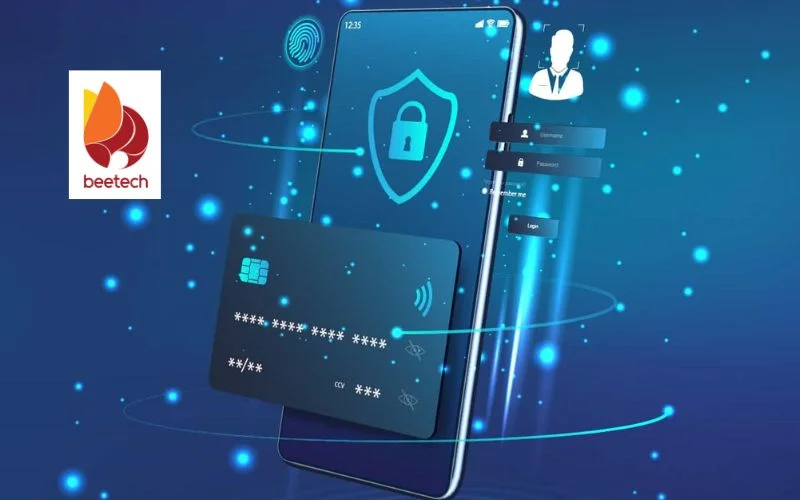
Mobile e-wallet integration refers to the seamless incorporation of digital wallet payment capabilities into a business’s mobile application, website, or point-of-sale (POS) system. Through this integration, businesses enable customers to make secure, real-time payments using their preferred mobile wallets such as Apple Pay, Google Pay, Samsung Pay, PayPal, and region-specific platforms like MoMo (Vietnam), GrabPay (Southeast Asia), or Paytm (India).
At a technical level, mobile e-wallet integration is achieved using APIs (Application Programming Interfaces) provided by wallet platforms. These APIs allow merchants to authenticate users, process transactions, issue receipts, and track payments in real time, all within the brand’s digital environment. The integration also enables secure storage of payment information through tokenization replacing sensitive data with unique tokens so that no financial data is directly handled by the merchant.
This form of integration is increasingly vital in today’s mobile-first world. Consumers expect fast, contactless payment experiences, especially when shopping online, using mobile apps, or visiting physical stores. Mobile e-wallet integration delivers on these expectations by removing the friction from checkout, offering speed, convenience, and built-in security features that surpass traditional payment methods.
As digital payments continue to surge globally, businesses across industries e-commerce, food delivery, ride-hailing, hospitality, and healthcare are recognizing the value of integrating mobile wallets into their platforms not only to meet customer expectations but also to gain a competitive edge.
2. Benefits of mobile e-wallet integration
Implementing mobile e-wallet integration offers numerous advantages to businesses, ranging from enhanced user experience to increased revenue and improved security. Below are the key benefits in greater detail:
2.1. Frictionless and speedy payments
The traditional payment process entering card details, shipping information, and passwords can slow down the customer journey and lead to cart abandonment. With mobile e-wallet integration, users can authorize payments in seconds using fingerprint or facial recognition, or even a single tap. This efficiency improves user satisfaction and accelerates checkout completion.
2.2. Advanced payment security
Mobile wallets are equipped with robust security technologies, including end-to-end encryption, tokenization, and biometric authentication. By integrating these features into your platform, you protect customer data and reduce the risk of fraud or data breaches. Mobile wallets also avoid storing sensitive payment information on your system, significantly lowering your PCI DSS compliance burden.
2.3. Increased conversion and retention rates
The ease and speed of mobile wallet payments contribute directly to higher conversion rates. According to industry research, mobile wallet users are more likely to complete a purchase and return for future transactions. This not only boosts revenue but also strengthens long-term customer relationships.
2.4. Personalized user experience
Many mobile wallet platforms allow for integration with loyalty programs, reward points, and personalized promotions. By incorporating these features, businesses can deliver targeted offers, cashback incentives, and in-app discounts further motivating users to choose your brand over competitors.
2.5. Brand trust and competitive advantage
Offering trusted payment options such as Apple Pay or Google Pay reassures customers about the safety of your platform. It also signals that your brand is up-to-date with modern financial technologies, increasing its credibility and appeal to tech-savvy consumers.
2.6. Compatibility with emerging markets
In many regions, mobile wallets have overtaken credit and debit cards as the preferred payment method. Integrating local wallets helps international brands reach and convert new audiences, making mobile e-wallet integration an important step in global expansion.
>>>Read more: Top 3 e-wallet app development companies in Vietnam
3. Future of mobile e-wallet integration
As digital payment ecosystems continue to evolve, the future of mobile e-wallet integration promises to be more dynamic, intelligent, and embedded into the fabric of everyday life. With rapid advancements in financial technology (FinTech), artificial intelligence (AI), and blockchain, mobile e-wallets are no longer just a convenient payment tool they’re becoming powerful platforms for managing personal finance, identity, and even access to services.
3.1. AI and machine learning for personalized wallets
Artificial Intelligence is poised to play a central role in the future of mobile e-wallet integration. Smart wallets will use machine learning algorithms to provide personalized financial insights, budget suggestions, spending alerts, and automated savings strategies. As mobile wallets become more adaptive, users will experience greater control and transparency over their finances.
3.2. Biometric and voice-enabled transactions
Security and user convenience will evolve hand-in-hand through biometric technologies. In the future, mobile e-wallet integration will go beyond fingerprints and facial recognition to include voice authentication, iris scanning, and behavioral biometrics. These enhancements will make transactions not only more secure but also frictionless and accessible.
3.3. Blockchain and decentralized finance (DeFi)
Blockchain technology is expected to revolutionize how mobile wallets handle transactions. Future mobile e-wallets may integrate with cryptocurrencies, stablecoins, and DeFi platforms, allowing users to store, trade, and invest digital assets directly from their wallet interface. This shift will drive more decentralized and borderless finance, changing how users interact with global payment systems.
3.4. Cross-platform and IoT integration
The scope of mobile e-wallet integration will extend far beyond smartphones. Integration with Internet of Things (IoT) devices such as smartwatches, in-car payment systems, and smart home assistants will make digital payments possible anytime, anywhere. Businesses and consumers alike will benefit from instant, hands-free, and context-aware transactions.
3.5. Super apps and embedded finance
Asia has already seen the rise of super apps like WeChat and Grab, which combine messaging, shopping, ride-hailing, and payments in a single interface. The future of mobile e-wallet integration will likely follow this trend, as digital wallets embed deeper into broader digital ecosystems. Expect mobile e-wallets to be bundled with e-commerce, loyalty programs, travel services, and even insurance products making them a central hub for digital life.
3.6. Global interoperability and open banking
Interoperability will be a key focus, enabling seamless cross-border transactions. With the continued expansion of open banking, mobile wallets will gain access to real-time bank data and third-party services, enhancing their functionality. Future mobile e-wallet integration will allow users to move funds, compare services, or even switch providers with a few taps thanks to secure APIs and universal standards.
3.7. Sustainability and social impact
Eco-conscious features are also expected to become part of mobile wallet design. Some future mobile e-wallets may track carbon footprints, support micro-donations, or promote sustainable spending behaviors all integrated seamlessly through mobile e-wallet integration frameworks.
>>>Read more: E-wallet app development services in Vietnam
4. Technical considerations for e-wallet integration
While the benefits are extensive, implementing mobile e-wallet integration requires careful attention to technical, security, and compliance factors. Here are the critical aspects to consider:
4.1. Choosing compatible apis and gateways
Every wallet provider offers unique API documentation and integration requirements. Businesses must ensure their payment gateway or infrastructure supports the desired wallets. Some platforms may require merchant onboarding or approvals before integration can go live.
4.2. Platform-specific development
Different mobile operating systems (iOS and Android) support different wallets and implementation flows. Developers must account for these variations to ensure a consistent and reliable user experience across all devices.
4.3. Security and regulatory compliance
Security is paramount when handling financial data. Ensure your integration adheres to standards such as:
PCI DSS for handling payment card data
GDPR or local data privacy regulations
- Tokenization and encryption protocols to safeguard informationWallet integration must also include real-time fraud monitoring and secure error handling mechanisms.
4.4. UI/UX testing across devices
A poor payment experience can lead to abandoned transactions. Businesses must rigorously test wallet integrations across multiple devices, operating systems, and screen sizes to ensure a smooth experience from start to finish.
4.5. Maintenance, updates, and monitoring
Wallet platforms update regularly to improve features or tighten security. Businesses must stay current with SDK versions, monitor API changes, and run updates to maintain seamless wallet functionality. Regular monitoring helps quickly identify and resolve issues that could impact the user experience.
4.6. Integration with business systems
To maximize the impact of mobile e-wallet integration, consider linking it with backend systems like CRM, loyalty engines, and analytics dashboards. This allows for end-to-end tracking, personalized rewards, and detailed performance insights essential for data-driven decision-making.
5. Conclusion
In a world where convenience and speed define user expectations, mobile e-wallet integration is no longer optional - it’s a necessity for forward-thinking businesses. Whether you’re running an e-commerce platform, a retail store, or a mobile app, integrating mobile e-wallets can help you deliver a smoother checkout experience, improve customer trust, and boost conversion rates. As the digital payment landscape continues to evolve, businesses that prioritize mobile e-wallet integration will be best positioned to meet consumer demands and drive long-term growth.